What Should You Consider When Choosing an Industrial Container?
Choosing the right stackable industrial container starts with one critical question: what will it be used for? From storage and transport to manufacturing, the application determines everything. Size, durability, material, and long-term cost all trace back to that single decision.
Before comparing features, clearly define how the container will be used. Will it store heavy materials, protect sensitive parts, or move goods through a supply chain? Understanding the application helps determine the right specifications, prevents over- or under-buying, and ensures the container performs as expected in real-world conditions.
Size and Material: The Foundation of Every Container Decision
Determining the right size container impacts both efficiency and cost. Industrial containers that are too large waste space, while undersized options can slow operations and require more handling. Look for containers that align with your product dimensions, pallet configurations, and transportation needs to maximize space utilization.
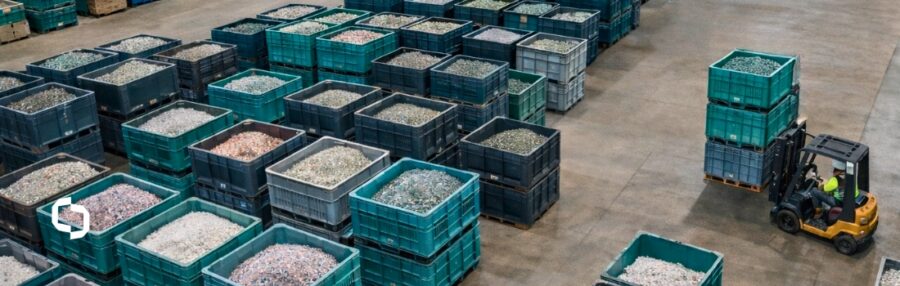
Industrial containers, especially stackable containers, must be able to handle their environment. Heavy loads, frequent handling, and exposure to the elements require materials that won’t crack, warp, or degrade over time. Durable stackable containers reduce replacement costs and ensure consistent performance across repeated use cycles. Selecting the right container material is critical to performance, cost, and longevity.
Plastic:
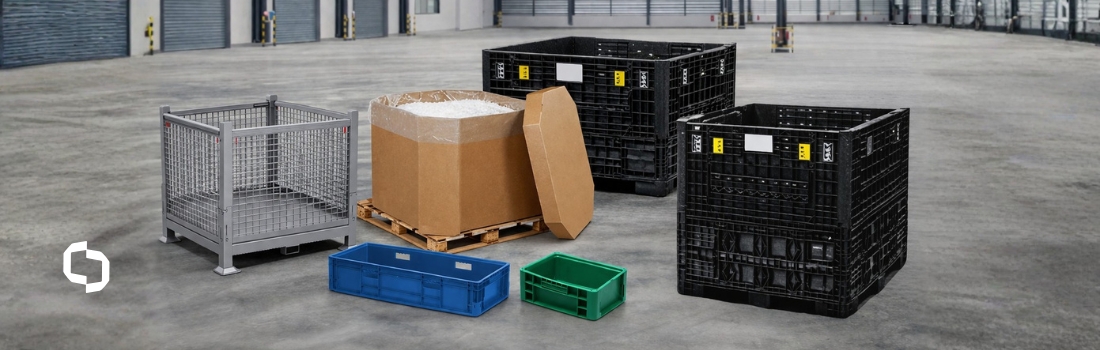
Plastic bulk containers are lightweight, cost-effective, and highly versatile. Their corrosion resistance makes them ideal for environments with moisture or chemical exposure, while their easy-to-clean surfaces support hygienic applications like food, pharmaceuticals, and electronics. Their lighter weight also improves handling and transportation, reducing labor strain and shipping costs.
Complementing bulk solutions, handheld plastic containers provide a flexible, ergonomic option for smaller parts and in-process workflows. Made from durable materials, these reusable totes are designed for secure stacking and easy handling. They are also compatible with both manual and automated systems, helping streamline operations at every stage.
Steel/Metal:
Metal bulk containers are built for strength and durability, making them essential in heavy-duty industries like automotive and aerospace. They withstand extreme temperatures, impacts, and rough handling, offering long lifespans and reliable performance in demanding environments. While the upfront investment is higher, their longevity and ability to handle heavy or abrasive materials often result in greater long-term value.
Cardboard/Fiberboard:
Cardboard and fiberboard containers, such as Gaylord boxes, provide a cost-effective solution for short-term storage and local shipping. Best suited for dry, controlled environments, they offer flexibility and a low upfront cost but fall short in durability, long-term performance, and efficiency in maximizing warehouse space.
Stackability Matters More Than You Think
Industrial stackable containers improve warehouse organization and streamline transportation. Plastic and metal/steel containers are engineered for strength and structural integrity. This design allows them to stack securely at greater heights than cardboard Gaylords. The added durability improves organization while reducing the risk of product damage, workplace hazards, and load failures as stacks get taller.
Stackability also directly impacts how efficiently a warehouse can use its space. Facilities with limited square footage or expanding operations benefit from containers that maximize vertical storage without compromising safety. Reusable plastic or metal containers provide consistent, reliable stacking that stays in place over time. In contrast, other industrial containers can become increasingly unstable when stacked too high, limiting vertical efficiency and introducing risk.
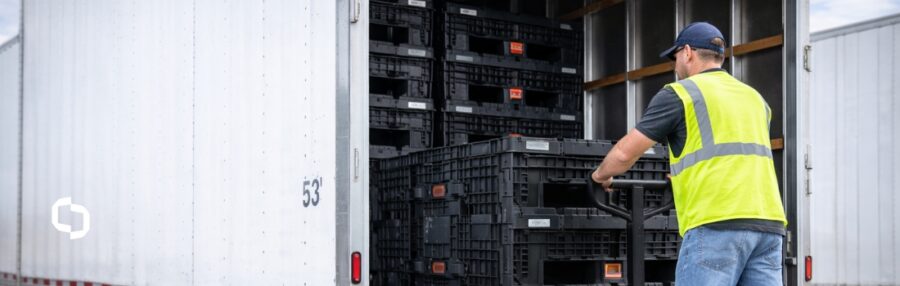
These advantages extend beyond the warehouse and into transportation. Securely stackable containers help ensure shipments arrive intact by preventing shifting, crushing, or collapse in transit. Additionally, when returning empty containers, stackable and nestable designs significantly improve backhaul efficiency. The result is a smarter, safer system that supports streamlined logistics, better space utilization, and long-term operational savings.
Consider Dunnage and Cost-Per-Use
For sensitive or high-value products, dunnage is essential to protect items during storage and transit. Common types include plastic, foam, fabric, and film, each designed to prevent damage from movement or impact. Properly designed custom dunnage ensures products remain secure, maintains product integrity, and reduces the risk of costly returns or replacements.
It’s also important to evaluate cost per use rather than focusing solely on the upfront price, especially when comparing your container options. While Gaylords offer a lower initial cost, they are typically single- or limited-use. In contrast, plastic or metal containers are designed for 100+ cycles, spreading their cost over years of service and dramatically lowering the cost per use.
Reusable containers equipped with the right dunnage create a more efficient and sustainable solution. They deliver stronger long-term ROI, improved operational reliability, and measurable savings across the supply chain.
Choosing the right industrial container is one of the most practical decisions a supply chain operation can make. Getting it right from the start saves time, money, and material waste down the line. With over 30 years of experience in the plastic and container industry, Extera helps businesses navigate these decisions easily. From new and used bulk containers to repair, recycling, and leasing programs, we support the full container lifecycle so your operation stays efficient and your costs stay in check.
Have questions about which container fits your operation? Contact Extera today and put our expertise to the test.