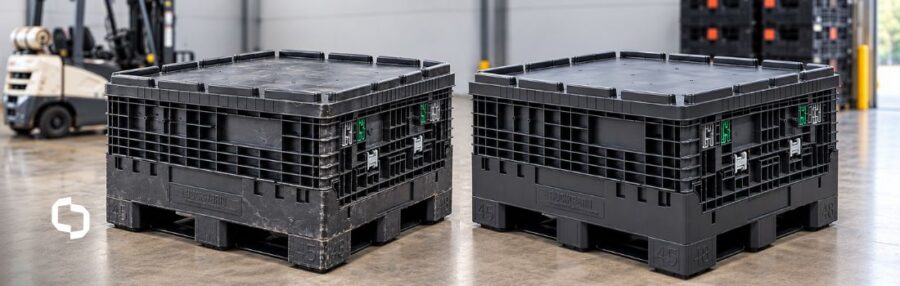
Truckload Capacity Starts With Reliable Packaging
When teams ask about truckload capacity, they are usually trying to solve a bigger problem than “how many fit.” They want fewer loads, smoother unloads, and less risk of freight shifting, crushing, or spilling in transit. The challenge is that capacity is not just trailer length. It depends on how stable your freight is when it stacks, how consistent the load pattern is, and how much usable vertical space you can safely keep.
This is why packaging choices matter so much. Rigid, reusable containers are built to hold their shape and stack predictably, which helps maximize trailer capacity and plan loads with less guesswork. With Gaylords, the count can drop quickly when bowing, crushing, or shifting forces more cautious stacking and added securement steps. Even return trips matter, because empty packaging still takes trailer space, labor, and time at the dock.
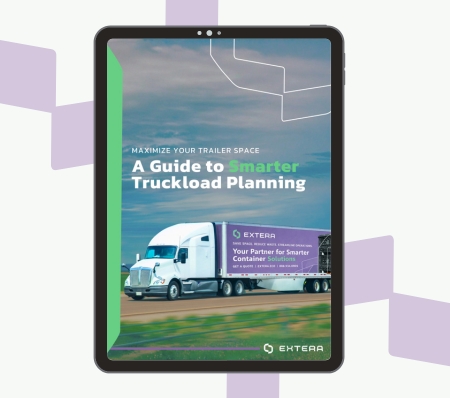
This downloadable compares capacity scenarios and explains what changes your count in the real world. You will find baseline counts for nested empty containers and stacked loaded containers, a clear side-by-side comparison to loaded gaylords, and the biggest variables that impact trailer capacity, including trailer type and handling conditions.
- Truckload capacity baseline counts
- Trailer capacity variables that shift totals
- Loaded containers vs loaded gaylords
- The biggest causes of wasted space
If you want cleaner loads and clearer planning, start with the downloadable, then apply the same framework to your lanes. When your packaging stacks predictably, your truckload capacity becomes repeatable, your dock moves faster, and freight surprises become easier to avoid.
Want to know what your operation can really fit per load? Reach out if you would like help mapping counts for your exact trailer and container setup.