Protective Packaging That Fits Your Product—And Your Process
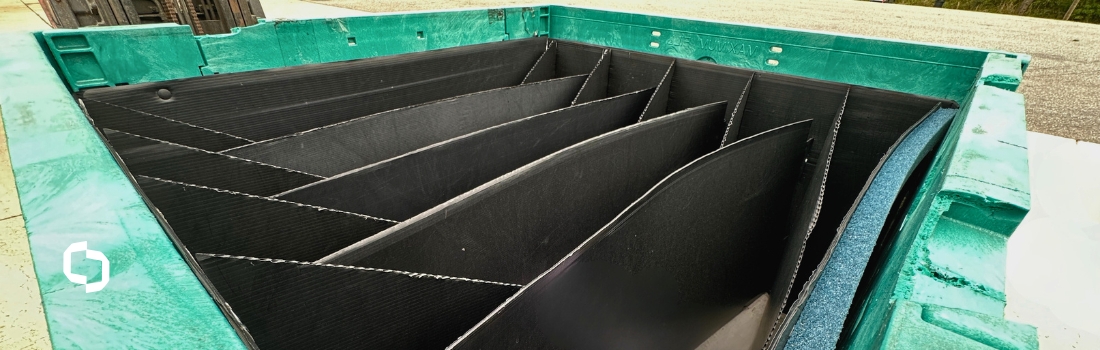
No two products are the same, and neither should their packaging be. Whether you’re shipping polished automotive components, delicate electronics, or bulky industrial parts, protecting your product with the right custom dunnage is essential to maintaining quality, minimizing loss, and keeping your supply chain running efficiently.
At Extera, we understand that product protection is more than padding. It’s precision. Our dunnage solutions are built around your specific product, industry, and operational needs. With years of experience and partnerships across U.S.-based manufacturers, Extera sources and designs dunnage that meets the highest standards in function, reusability, and branding. From screenprinted dividers to collapsible returnable inserts, we help businesses move smarter, not just safer.
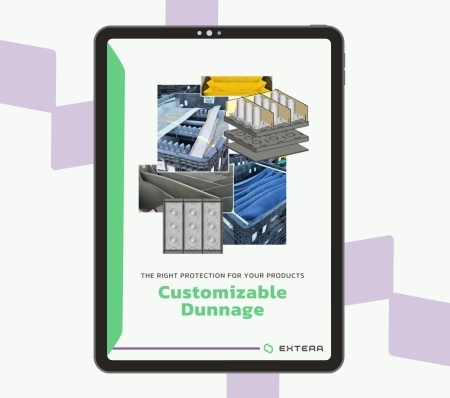
This guide breaks down the most common dunnage materials—from fabric to foam to rigid and flexible plastic corrugated—and explains how each can be adapted for different shipping, stacking, and protection challenges.
- Use Cases Across Industries
- Material-Specific Benefits
- Branding Capabilities
- Sustainability Features
Whether you’re just beginning to explore custom dunnage or looking to refine an existing setup, Extera has the expertise and access to deliver a solution that works. From product protection to packaging performance, we help you make confident decisions that keep your supply chain strong.
Ready to stop guessing and start protecting? Contact Extera and let’s build a custom dunnage solution that fits your in-house logistics operation and your product.