What Causes Packaging Failure or a Broken Pallet During Shipping?
Many packaging failures originate long before transit begins, often during pallet design and load configuration. One single issue typically doesn’t lead to a broken pallet or failure. It’s usually a combination of stress points across the supply chain.
Common causes include:
- Structural pallet weakness (overused or low-grade wood, inconsistent quality)
- Improper load distribution, causing uneven weight stress
- Insufficient unitization, where goods are not properly secured to the pallet
- Vibration and shock during transit, especially in mixed freight environments
- Moisture exposure, which weakens wooden pallets and corrugated packaging
- Inadequate containment materials, such as low-grade stretch wrap or missing edge protection
- Forklift handling errors during loading or unloading
In many cases, packaging is designed for ideal conditions, not real-world logistics. This gap is where failure happens.
What Are the Real Costs of Packaging Failure?
The visible damage is often only the beginning. When a packaging failure occurs, the impact can quickly spread throughout the entire supply chain. Product loss is one of the most immediate consequences. A single packaging failure can quickly turn into thousands of dollars in lost inventory.
The financial impact continues to grow as companies scramble to respond. Emergency replacement orders, expedited freight, and last-minute sourcing solutions can quickly drive up operational costs. Internally, warehouse and logistics teams must spend additional time inspecting, documenting, repacking, and disposing of damaged goods. This creates unexpected labor costs and workflow disruptions.
Packaging failure also creates direct safety risks for workers. Deteriorating wooden pallets can splinter, exposing rusty nails and creating puncture and laceration hazards during handling. Unstable or shifting loads put workers at risk during unloading, especially when freight arrives with compromised structural integrity. These incidents carry their own downstream costs, including potential workers’ compensation claims, OSHA recordables, and operational stoppages while the situation is addressed.
Over time, repeated packaging failures can also damage customer trust. Missed deadlines, inconsistent deliveries, and damaged products can impact reliability and put long-term business relationships at risk. When these costs begin to compound, packaging failure becomes far more than a shipping issue. It becomes a significant operational, financial, and safety liability.
Preventing packaging failure requires more than simply using stronger materials. It demands packaging systems engineered to withstand real-world transportation stress, repeated handling, and long-term supply chain demands.
How Can I Reduce the Risk of Damage?
Reducing package failure starts with treating packaging as a fully engineered system, not just a material choice. Industry research shows reusable plastic containers and RPC systems can reduce shipment damage by up to 98% by improving load stability, structural durability, and product protection throughout transit. Real protection comes from how pallets, dunnage, containers, load stability, and transit conditions work together under real-world supply chain stress.
Custom Dunnage Systems
Custom dunnage systems are designed around the exact dimensions, weight distribution, and fragility points of each product to minimize movement during transit. Extera helps develop reusable dunnage solutions that cradle and separate components within reusable bulk containers, helping absorb vibration, reduce impact damage, and prevent costly shifting that often leads to packaging failure. Custom dunnage creates a more stable shipping environment for sensitive and high-value parts.
Reusable Bulk Containers
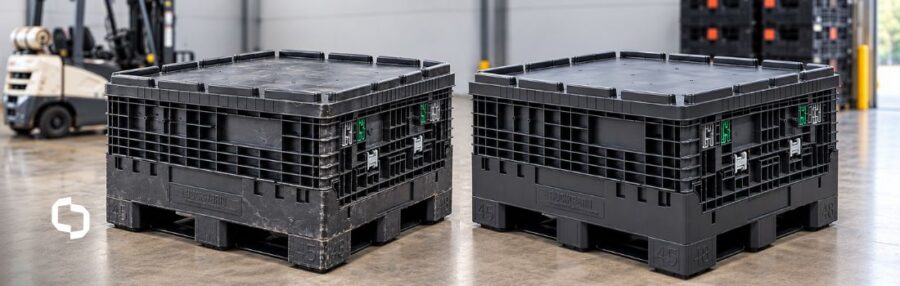
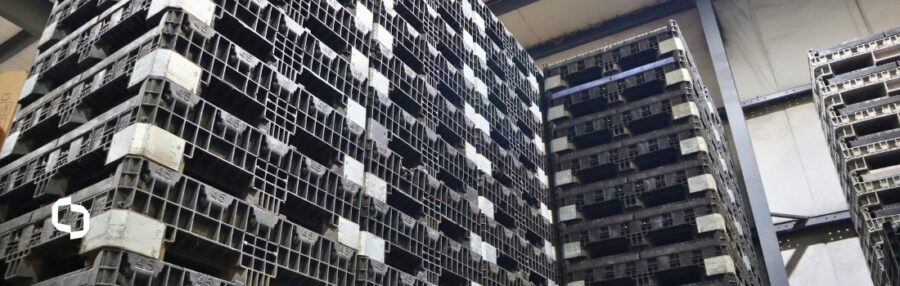
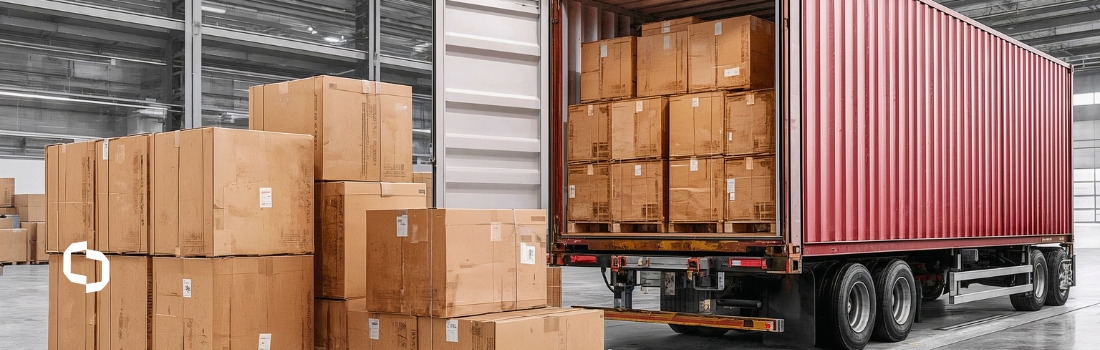
Single-use wood pallets and Gaylord boxes are vulnerable to moisture, crushing, and structural fatigue over time. Reusable plastic bulk container systems are engineered for durability in demanding industrial supply chains, helping protect products from damage caused by repeated handling, stacking pressure, and transportation vibration. By replacing disposable packaging with reusable systems, companies can reduce packaging failure, improve shipment consistency, and lower packaging waste. Unlike wood pallets, plastic containers resist moisture, splintering, warping, and structural breakdown, creating a more reliable and scalable packaging solution.
Load Stabilization & Protection Systems
Even well-designed loads can fail without proper stabilization. Extera integrates protective solutions, including reinforced edge protection, slip sheets, containment systems, and load-stabilization materials, to help maintain structural integrity during transportation and storage.
How Will Regulations Impact Packaging Decisions?
Growing regulations are also shaping packaging decisions. In 2026, growing sustainability regulations and Extended Producer Responsibility (EPR) laws are expected to place more financial responsibility on companies for the packaging waste they create.
As EPR policies expand across U.S. states and global markets, businesses may face:
- Higher costs tied to single-use packaging
- Increased reporting and compliance requirements
- Greater pressure to reduce packaging waste
- Stronger incentives for reusable and returnable packaging systems
This means packaging failure becomes more than an operational issue. Broken pallets and waste-heavy packaging systems can create added compliance costs. Companies investing in reusable bulk containers, custom dunnage, and engineered packaging systems are better positioned to reduce waste, improve shipment reliability, and stay ahead of evolving regulations.
Reducing package failure requires a smarter, more engineered approach focused on durability, consistency, and long-term operational performance. Reusable bulk containers and engineered packaging systems help businesses reduce damage, improve shipment reliability, and minimize costly disruptions. They also support sustainability goals and evolving EPR requirements.
With decades of experience in reusable packaging, recycling, and logistics solutions, Extera helps businesses move beyond disposable packaging models toward more resilient supply chain strategies.
Build a stronger packaging system to protect products, reduce waste, and improve long-term supply chain performance. Contact Extera today to explore reusable packaging solutions designed to reduce risk and support sustainable growth.