Your Business Sustainability Goals Need a Game Plan
A reusable container arrives at the loading dock. A recycling pickup clears space in the warehouse. A company switches to sustainable packaging. Each is a useful step, but what happens next determines whether the change lasts.
Business sustainability means building environmental responsibility into how your company plans, purchases, and operates over time. It also means avoiding greenwashing. Sustainability claims only hold up when your records and results back them. It takes leadership support, ongoing investment and routines that hold up through busy seasons, staff changes and budget reviews.
For manufacturers, warehouses and distributors, material handling is a practical place to start. Look at one recurring problem: rising disposable packaging purchases, reusable containers disappearing between facilities, or damaged bins discarded before anyone considers repair.
Choose something your team can document and improve, then build a plan around it:
- Establish a baseline. Record material use, disposal volumes, container losses, and related costs.
- Set a specific goal. Define what needs to improve and by when.
- Assign responsibility. Identify who manages the work and approves resources.
- Schedule reviews. Check results regularly and address obstacles.
Making sustainable business practices part of daily operations takes coordination. Purchasing, warehouse operations, finance, and logistics teams each need clear responsibilities and shared goals.
Turn Sustainable Packaging Into a Working Routine
A reusable container needs a reliable path back into service after each trip. A recyclable material needs a processor that accepts it in its actual condition. Sustainable packaging decisions should account for both the product and the system supporting it. Calling packaging sustainable without a working return or recovery path is a common route to greenwashing. The EPA’s approach to sustainable materials management examines materials from resource extraction through production, use, maintenance, and end-of-life management.
Before changing packaging, ask:
- Will it protect the product under actual shipping and storage conditions?
- How will empty containers return, and who is responsible for them?
- What cleaning, inspection, and repair will be necessary?
- How will return freight, storage, and handling affect the overall operation?
- Where will the material go when it can no longer be used?
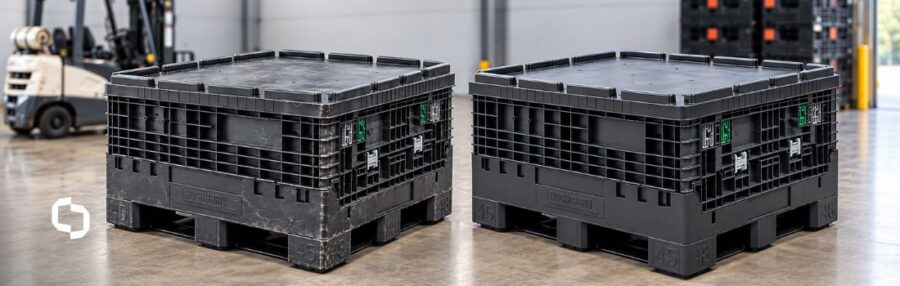
Consider a manufacturer introducing reusable bulk containers on a regular route between two facilities. The purchase is only the beginning. Both facilities need agreed return schedules, space for empties, and a process for separating damaged containers. Test that system on a manageable route before expanding.
Build Sustainability Into Your Budget
Keeping that system running requires an ongoing budget. Along with equipment purchases, business sustainability depends on funding employee training, return transportation, maintenance, and tracking. Some improvements may reduce expenses quickly. Others require upfront spending and take longer to demonstrate value. Evaluate those decisions using the full cost of ownership, including acquisition, handling, cleaning, repairs, losses, and eventual recovery or disposal.
For reusable packaging, compare the full cost of ownership across its expected useful life with the number of uses it is expected to complete. Update that estimate as actual cost and usage data become available. Keep environmental performance alongside the financial analysis; lower cost alone does not mean lower environmental impact.
Daily Warehouse Habits Keep Sustainability Moving
Once the equipment is in place, everyday routines keep the plan working. Give employees clear instructions for identifying damage and routing containers for assessment. Assign responsibility for counting, storing, and returning empty packaging, and confirm sorting and contamination requirements with recovery partners. These tasks deserve the same clarity as picking, packing, and shipping.
When breakage or losses keep occurring, investigate the cause before ordering replacements. A collection of damaged lids, for example, may point to a loading practice that needs attention.
Measure Business Sustainability Through Results You Can Explain
Activity is easy to count. Progress takes more context. The number of containers purchased tells you little about how effectively you use them. Similarly, a larger recycling shipment may reflect increased production or more damaged equipment. Review results against your starting point and the volume of work completed.
Choose a small set of useful measures:
- Material use: Packaging consumed per shipment or unit of output.
- Reuse performance: Completed container trips, return times, and loss rates.
- Equipment life: Repair frequency, repeat damage, and service life.
- Waste outcomes: Material sent to disposal and material accepted for recycling.
- Operating costs: Packaging and handling costs per shipment or completed use.
Track both totals and rates. Waste per shipment may decline while total waste rises as the business grows. Both figures belong in an honest assessment.
Keep supporting records, including purchase histories, repair logs, shipment counts, and processor documentation. Asset tracking software from Extera’s sister company, Scoutwise, can help organize this information and turn it into easy-to-digest reports. At each review, compare results with your baseline, identify where adjustments are needed, and assign the next steps. When sharing progress, state the specific result, timeframe, and scope so customers and employees understand what changed.
Lasting business sustainability depends on decisions your team can repeat, fund and improve. Sustainable packaging supports that commitment when clear responsibilities, reliable processes and measurable results guide its use.
At Extera, we bring practical experience in reusable containers, repair, and plastics recovery to help businesses make those decisions throughout the material lifecycle. Put your next improvement on the calendar, assign responsibility, and define how you’ll measure success. Talk with Extera about building a material handling approach that supports your operations and keeps your sustainability goals moving forward.