What is ESG?
For many companies, ESG commitments are already well established on paper. Sustainability goals appear in annual reports, supplier scorecards, procurement policies, and corporate commitments. The challenge is turning those goals into operational changes that procurement and operations teams can implement, measure, and sustain.
So, what is ESG in day-to-day operations and procurement? In practical terms, ESG describes how a company considers environmental, social, and governance factors when making business decisions. The Congressional Research Service notes that no universally agreed-upon definition of ESG exists and that the factors considered material can vary by company and industry.
These ESG criteria can influence everything from sourcing and materials to waste management, supply chain practices, and supplier selection. For procurement and operations teams, the challenge is connecting broader ESG goals to decisions with measurable business outcomes.
Turning ESG Requirements Into Measurable Operational Changes
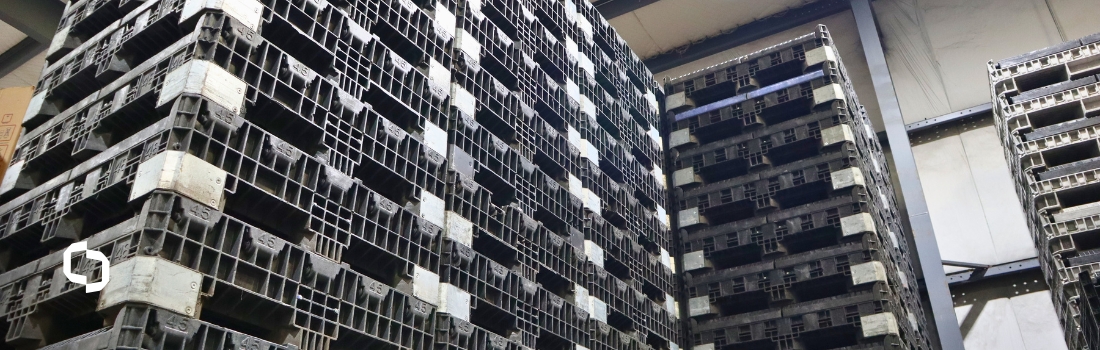
Instead of treating sustainability as a separate initiative, companies can build it directly into material handling, packaging, procurement, and supply chain decisions. A reusable bulk container or handheld container can remain in circulation across multiple trips rather than being discarded after a single use. Repair programs can extend the life of damaged assets. Recycling at the end of an asset’s useful life can keep material in circulation, rather than sending it directly to disposal.
That creates measurable data points for operations teams, including:
- Number of reusable containers in circulation
- Container utilization and turns
- Repair versus replacement rates
- Asset lifespan
- Reduction in single-use packaging
- Pounds of material diverted from disposal
- Recycled versus virgin material used
- Procurement costs over the useful life of an asset
For companies with significant material-handling needs, reusable containers connect sustainability goals directly to everyday operations. When those operational changes also reduce replacement and material costs, ESG becomes part of the business strategy rather than a separate initiative.
EPR Is Making Packaging Decisions More Important
Extended Producer Responsibility, or EPR, is making packaging decisions more important for companies selling products in the United States. As of 2026, seven states have enacted packaging-specific EPR laws: California, Colorado, Maine, Maryland, Minnesota, Oregon, and Washington. These programs vary by state, but generally place greater responsibility on producers for the packaging they introduce into the marketplace.
A major consideration under EPR is packaging data, including material type and weight. In many programs, producer fees are connected to the amount and type of packaging placed on the market, although specific definitions, exemptions, fee structures, and reporting requirements differ by state.
That makes packaging reduction more than a sustainability conversation. It can become a procurement strategy. Reusable transport and material-handling assets can help companies reduce reliance on single-use packaging and keep durable assets in service for longer. Depending on how a particular state defines covered packaging and reusable materials, this can help reduce the volume of covered packaging entering the waste stream and potentially limit associated fee exposure.
EPR is not simply a reason to buy a different container. It is an opportunity to evaluate the entire packaging flow.
Companies should consider:
- How much packaging are we purchasing each year?
- How much is single-use?
- Which materials are discarded after one trip?
- Which assets could be reused?
- How long are our current containers actually staying in service?
- Can we repair damaged containers instead of replacing them?
- What packaging data are we already tracking?
Understanding these factors can help companies prepare for evolving ESG requirements and EPR programs while identifying opportunities to improve packaging efficiency.
Material Choices Matter More as Resin Prices Shift
Sustainability and cost are often treated as competing priorities. In the right application, reusable containers can challenge that assumption. Material costs are constantly changing, particularly in plastics. Virgin resin pricing has come under renewed pressure as crude oil prices and petrochemical costs have increased. At the same time, the recycled plastics market is facing its own challenges, including weaker demand and disruptions in recycling infrastructure.
That creates an important procurement lesson: the lowest material price today does not necessarily produce the lowest operating cost over an asset’s lifetime. A single-use packaging solution may have a lower per-unit purchase price, but repeated purchases create an ongoing material expense. Reusable containers change that calculation by spreading the initial investment across multiple uses.
The recycled-versus-virgin resin conversation matters here, too. Integrated recycling capabilities allow post-industrial plastic to be processed into regrind and compounded resin, creating alternatives to relying entirely on virgin material. The goal isn’t simply to select “recycled” over “virgin.” The smarter approach is to evaluate the right material, asset design, lifespan, and reuse strategy for the application.
ESG Requirements Are Becoming Part of Supplier Selection
A strategy for ESG requirements is only as strong as the supply chain supporting it. If a company commits to sustainability but depends on long international lead times, unpredictable material availability, or suppliers that cannot provide consistent documentation, the operational side of the strategy can quickly become difficult to execute.
Domestic sourcing can help close that gap.
Domestic inventory and U.S.-based recycling and manufacturing partnerships can play an important role in building more adaptable, resilient supply chains. Reducing reliance on international shipping and unpredictable lead times can help businesses navigate tariffs, transportation disruptions, and changing market conditions more flexibly. New, used, and recycled containers, along with repair and custom solutions, also give businesses more options as operational and sustainability needs change.
That matters because ESG requirements increasingly intersect with traditional procurement priorities.
In other words, sustainability is becoming part of supplier qualification. The strongest ESG strategy doesn’t create an entirely separate procurement process. It improves the same things procurement already cares about: cost, reliability, quality, availability, and risk.
These expectations increasingly reflect broader ESG criteria, including material sourcing, recyclability, asset longevity, and end-of-life management.
Reusable Assets Connect ESG Reporting to Real Results
The value of an ESG initiative ultimately comes down to measurement. The Congressional Research Service notes that ESG reporting can be inconsistent, making it harder for investors and stakeholders to compare performance across companies. It also notes the importance of materiality when determining which ESG factors are most relevant to a particular business.
For procurement and operations teams, this creates an opportunity to focus on ESG activities supported by operational data. Reusable containers are particularly well suited to this approach because you can track their use, lifespan, repair history, and replacement rates over time. A company can establish a baseline for its current packaging program and track changes over time. This creates a clearer connection between ESG requirements and measurable operational results.
The story is even stronger when sustainability and financial performance move in the same direction. A reusable container that reduces waste, stays in service for years, lowers replacement frequency, and helps mitigate material price volatility does more than check an ESG box. It improves how the supply chain operates.
ESG requirements should not live exclusively in a sustainability report. For procurement and operations leaders, meaningful ESG improvements often begin with everyday decisions about materials, packaging, asset utilization, and end-of-life management. Reusable containers provide a practical way to connect those decisions to measurable sustainability and business outcomes.
Extera approaches reusable packaging as part of a broader circular supply chain strategy, not simply as a product sale. If your company has an ESG commitment but needs a clearer operational path to achieve it, now is the time to look at the materials already moving through your supply chain.
Talk with Extera before your next supplier audit or ESG reporting cycle to identify opportunities to reduce waste, extend asset life, improve supply chain resilience, and make sustainability work harder for your bottom line.