A Look Behind the Repair Process
When a container reaches the end of a long shipping cycle, most people only see the wear and tear. At Extera, we see potential. Our repair process is designed to bring used containers back to safe, dependable condition, extending their lifecycle and reducing waste wherever possible. Repairing containers is one of the most impactful ways we support stronger supply chains and a healthier circular economy.
Behind the scenes, each repair begins with careful evaluation, detailed craftsmanship, and a commitment to safety that guides every decision we make.
A Closer Look at How Extera Evaluates Each Container
Every container enters the repair process with a full inspection. Our team examines the container from corner to corner, looking at the walls, doors, base, and runners to understand exactly what it has been through and what it may need next.
We evaluate stability, identify cracks or holes, check all hinges and latches, and confirm that critical structural areas are intact. This step helps us determine if a container is good, repairable, or ready to enter our recycling stream.
This attention to detail matters. A damaged container can create real risks. It may compromise the safety of employees handling it or threaten the integrity of the shipment inside. Our inspection process prevents these issues and ensures every repaired container meets the standards our partners depend on.
Repair or Recycle: How We Make the Call
Not every container is the same, and not every container has the same future. Some arrive with only cosmetic wear and are quickly cleared for use. Others require focused repairs to restore their structure and function. And some carry damage that cannot be safely or cost-effectively repaired.
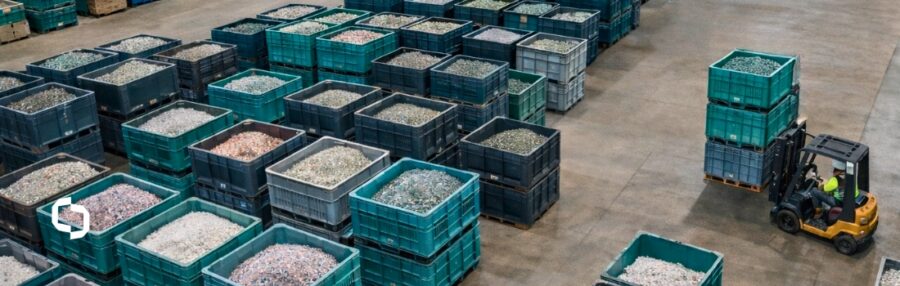
When a container is repairable, it moves into the hands of our trained repair team. If it is not, we carefully disassemble the unit, salvage usable components, and send the remaining material for recycling. Nothing goes to waste. Even containers that we cannot restore still contribute to the circular system by becoming raw material for new products.
This is the heart of the container repair process at Extera. Every decision is guided by safety, durability, and the goal of keeping as many materials in circulation as possible.
What Happens During the Repair Process
Once a container is approved for repair, our team focuses on restoring its strength and reliability. Repairs vary based on the container’s condition, but the work always centers on structural performance and safe usability.
We replace broken or missing components, reinforce weakened areas, and restore the integrity of hinges, doors, and runners. We only use parts designed for that manufacturer’s container, and we perform every repair with long-term durability in mind. The work is hands-on, technical, and performed by team members who specialize in understanding how these containers function in real-world environments. Their expertise keeps assets in use longer and prevents premature disposal.
Final Checks That Protect Your Supply Chain
Once repairs are complete, each container goes through a thorough quality check. Our team verifies that all latches function properly, walls lock securely, and every structural component is ready for real-world use. We document the work completed and provide customers with a repair report so they can understand the container’s condition, track its history, and stay ahead of future maintenance needs.
Quality control is built into our repair process. It is how we make sure every container that leaves our facility is safe, stable, and ready for another cycle in your operation.
Why Proper Handling Matters for Long-Term Performance
While our repair process is comprehensive, we also encourage teams to handle containers with care during daily use. Routine checks, mindful forklift operation, and avoiding overloads help extend container lifecycles and prevent issues that may lead to unsafe conditions.
A well-handled container is safer for employees, safer for shipments, and more cost-effective over time. When wear or damage does occur, catching it early makes repairs simpler and more reliable.
Our repair process is more than a service that we offer. It is part of our commitment to sustainability and long-term partnership. By restoring containers whenever possible and recycling them responsibly when we cannot, we help customers reduce costs, minimize waste, and keep materials in use.
If your operation is looking to extend the life of its fleet or explore a more sustainable approach to container management, our team is here to help. Reach out to learn how our repair and recycling programs can support a stronger, safer, and more circular supply chain.