Why is Asset Tracking Important?
At its core, asset monitoring is critical to reducing loss, improving efficiency, and maintaining control over logistics management. When implemented effectively, it provides real-time visibility into where assets are, how they’re being used, and when they need to be returned, repaired, or replaced. This level of insight enables smarter decision-making, better resource allocation, and more streamlined operations across the entire supply chain.
However, the reality often looks very different. Many companies expect quick wins from tracking software, but instead end up with systems that slow them down, raise costs, and add unnecessary complexity. The problem rarely lies in the concept of asset tracking itself, but rather in how the software is selected, implemented, and integrated into existing workflows.
Here are the top challenges companies encounter with asset tracking and how to avoid them:
Choosing Tracking Technology Before Defining Goals
A major implementation mistake is selecting technology before identifying clear business objectives. Without defined goals, companies often deploy tools that don’t align with their logistics management needs. For example, companies should first determine whether their priority is to reduce asset loss, improve utilization, or gain real-time visibility across the supply chain.
Different tracking technologies, including Radio Frequency Identification (RFID), Global Positioning System (GPS), Bluetooth Low Energy (BLE), and barcode, serve different use cases. Choosing the wrong one can limit the effectiveness of your tracking software.
To avoid this, start by defining clear benchmarks tied to your operational goals. Then, select a flexible platform that supports multiple technologies so your system can scale and adapt.
Implementing Overcomplicated Software
Many organizations overcomplicate their software, implementing systems that require extensive training, costly onboarding, and continuous customization. After evaluating a wide range of solutions, the team at Extera found that many systems were not only difficult to use but also expensive to implement and maintain. Recognizing this gap, they developed Scoutwise software, a more streamlined, cost-effective solution. Modern platforms like Scoutwise deliver real-time visibility, improve operational efficiency, and scale with your business.
The best way to avoid this issue is to prioritize intuitive, user-friendly software that minimizes friction. When systems are easy to use, teams adopt them more consistently, improving logistics, inventory management, and overall results.
Failing to Integrate With Logistics Management Systems
An asset tracking system should not operate in isolation. When tracking data isn’t integrated into broader logistics management systems, it loses much of its value. Disconnected systems often result in data silos, inefficient workflows, and limited decision-making capabilities.
Modern software platforms offer application programming interface (API) integrations that connect seamlessly with enterprise resource planning (ERP), supply chain, and inventory systems. To avoid this issue, prioritize solutions that integrate seamlessly with your existing technology so your data becomes actionable, improving forecasting, inventory accuracy, and overall operational efficiency.
Ignoring the Full Asset Lifecycle and Sustainability Opportunities
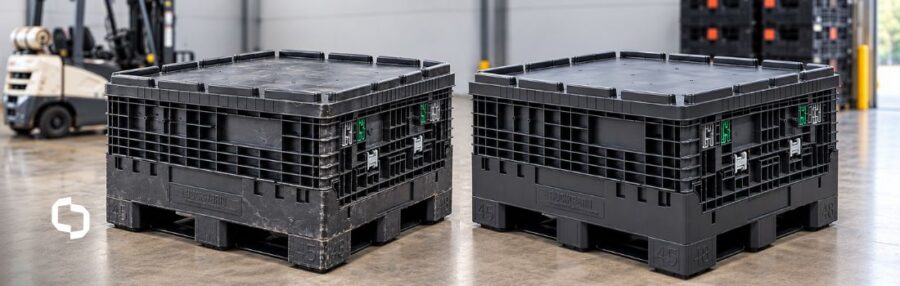
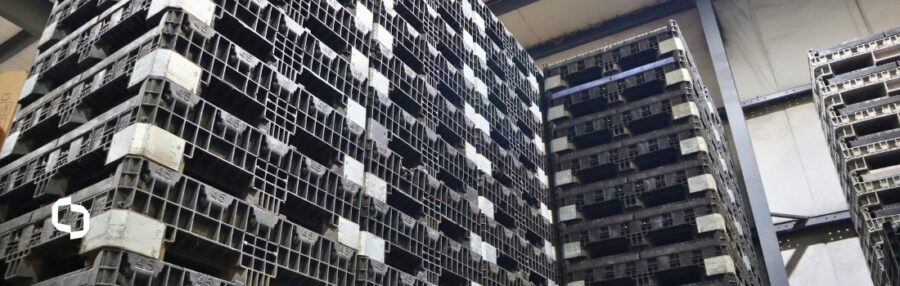
Effective asset tracking goes beyond location; it involves managing assets throughout their full lifecycle. When companies overlook this, they miss key opportunities to improve logistics management, often resulting in asset loss, underutilization, and premature replacement.
Tools like Scoutwise help businesses track movement, usage, and return cycles, enabling better visibility and extending asset lifespan. A lifecycle approach ensures that the software is used not just for location data but also to improve efficiency and reduce unnecessary costs.
This also connects directly to sustainability. Many organizations fail to link tracking with environmental goals, missing opportunities to reduce waste and improve ESG reporting. By using an asset tracking system, companies can better manage reusable assets, reduce single-use materials, and support circular supply chain initiatives. Aligning asset tracking with both lifecycle management and sustainability goals helps businesses improve performance while reducing environmental impact.
When used correctly, an asset tracking system improves logistics, reduces costs, and provides real-time visibility across your supply chain. The difference isn’t in adopting asset management; it’s in implementing it correctly to deliver measurable results.
With Scoutwise software, Extera sets a new standard. Built to be intuitive, cost-effective, and fully customizable, Scoutwise simplifies the management of reusable containers and critical assets while delivering the visibility and control modern operations demand.
Looking to take full control of your assets? Connect with Extera to schedule a demo and see how Scoutwise asset tracking can streamline operations and drive greater returns.