Get More From Your Bulk Containers With Proper Care
Bulk containers are designed for years of reliable performance, but their lifespan depends on more than durable construction. How reusable bulk containers are inspected, handled, cleaned, and stored directly impacts operating costs, workplace safety, and overall return on investment. By following proven maintenance practices, businesses can extend the service life of their collapsible bulk containers, reduce unnecessary replacements, and maximize the value of every container in their fleet.
Many container failures begin with small issues that go unnoticed until they become costly repairs, safety concerns, or operational disruptions. A proactive inspection process helps identify damage early and determine whether a container can be repaired, returned to service, or removed from circulation.
Why Stacking and Storage Matter for Container Performance
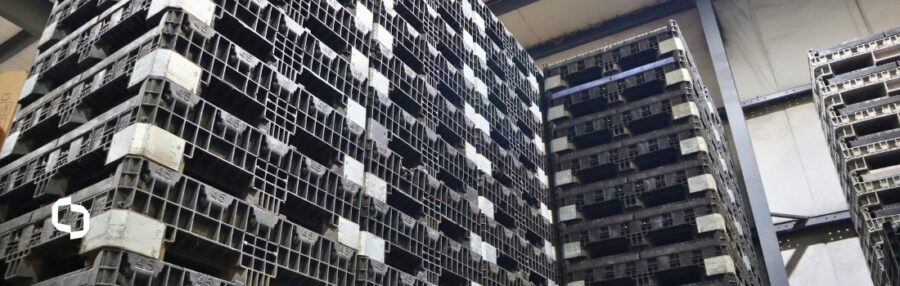
Even the most durable bulk containers can experience premature wear when they are stacked or stored incorrectly. Everyday handling practices play a major role in maintaining structural integrity and preventing unnecessary damage.
When stacking containers:
- Follow manufacturer-recommended weight limits
- Keep stacks properly aligned
- Position heavier loads on the bottom
- Never stack damaged containers
- Avoid unstable or uneven stacks
For a collapsible bulk container, proper storage is especially important. One of the biggest advantages of collapsible containers is their ability to reduce storage requirements when empty, but incorrect handling can damage hinges, panels, and locking mechanisms.
Before collapsing and storing containers:
- Remove all product, debris, and packaging materials
- Inspect for damage before folding
- Collapse containers according to manufacturer guidelines
- Store in a clean, dry area away from hazards
Avoid storing collapsed containers where they may be exposed to impacts, extreme temperatures, chemicals, or moisture buildup. Proper empty-container management protects your container fleet while improving warehouse organization and maximizing available storage space.
Keep Bulk Containers Clean to Prevent Premature Wear
Regular cleaning is one of the simplest ways to extend the lifespan of reusable bulk containers and protect container performance. Dirt, debris, and product residue can hide damage, interfere with moving components, and accelerate wear over time.
A consistent cleaning routine starts with removing debris after each use. Wash containers using cleaning products that are safe for plastic materials, then allow them to dry completely before storage. While cleaning, inspect each container for cracks, worn components, or other signs of damage. These simple steps help protect container performance and make it easier to identify maintenance needs before they become more costly repairs.
Keeping bulk containers clean not only supports product quality but also makes inspections faster and more effective. A clean container is easier to evaluate, maintain, and return to service.
Repair When Possible, Replace When Necessary
Not every damaged container needs to be replaced. Many containers can be repaired and returned to service, helping businesses extend container life, reduce costs, and support sustainability goals. The key is identifying damage early. A routine inspection before each use helps determine whether a reusable bulk container is ready for operation or requires repair.
Walls, Panels, and Corners
Check for cracks, splits, warping, or excessive wear. Damage in these areas can impact structural strength, especially when containers are loaded or stacked.
Hinges and Folding Components
For a collapsible bulk container, hinges and folding mechanisms are critical to performance. Inspect these components to ensure the container continues operating safely and efficiently. Containers that do not fold, lock, or assemble correctly should be removed from service until evaluated.
Look for:
- Hinges that move smoothly without resistance
- Proper folding and unfolding
- Secure locking mechanisms
- Cracked, missing, or damaged components
Doors, Lids, and Access Points
Confirm that doors, lids, and access panels close securely. Damaged access points can create safety concerns and increase the risk of product damage during handling or transport.
Bases and Forklift Entry Points
Inspect the base, forklift pockets, and load-bearing areas for cracks, broken sections, or other damage. These areas experience significant stress during movement and stacking.
When to Repair vs. Retire
Many container issues are often repairable, including:
- Damaged hinges
- Broken doors or panels
- Minor cracks or component damage
- Worn hardware
- Cosmetic damage that does not impact performance
However, containers should be retired or recycled when they have:
- Severe structural damage
- Major cracks affecting load capacity
- Damage that creates safety concerns
- Repeated failures after repair
A proactive repair strategy helps keep more plastic bulk containers in circulation while reducing unnecessary replacement costs. Extera’s Repair & Replace Program helps businesses evaluate damaged containers and determine the best solution, whether that means repair, refurbishment, replacement, or recycling. Extending the life of reusable bulk containers is often the most cost-effective and sustainable approach.
Build a Bulk Container Program That Grows With Your Business
Extending the life of containers requires more than routine maintenance. It requires a proactive container management strategy focused on inspection, repair, inventory planning, and lifecycle management. Businesses that treat reusable containers as long-term assets, rather than disposable packaging, are better positioned to reduce costs, improve efficiency, and avoid operational disruptions.
As business needs evolve, container demand can change quickly. Seasonal fluctuations, production growth, and new customer requirements can create demand for additional inventory without requiring permanent ownership. Extera’s Leasing Program helps businesses access the containers they need without the upfront investment of purchasing and managing additional inventory.
Leasing gives businesses the flexibility to scale container capacity as needs change, helping maintain a reliable supply of reusable bulk containers without disrupting operations.
The longer a reusable bulk container stays in service, the greater value it delivers. Through proper maintenance, timely repairs, and proactive asset management, businesses can reduce replacement costs, improve operational efficiency, and support sustainability goals.
Every operation has unique container management needs. Whether you’re focused on improving maintenance practices, reducing replacement costs, or increasing container availability, contact Extera for solutions designed around your business.